Peptides: What Science Really Says
Bill Lutz MS, CSCS, CPT • October 25, 2026
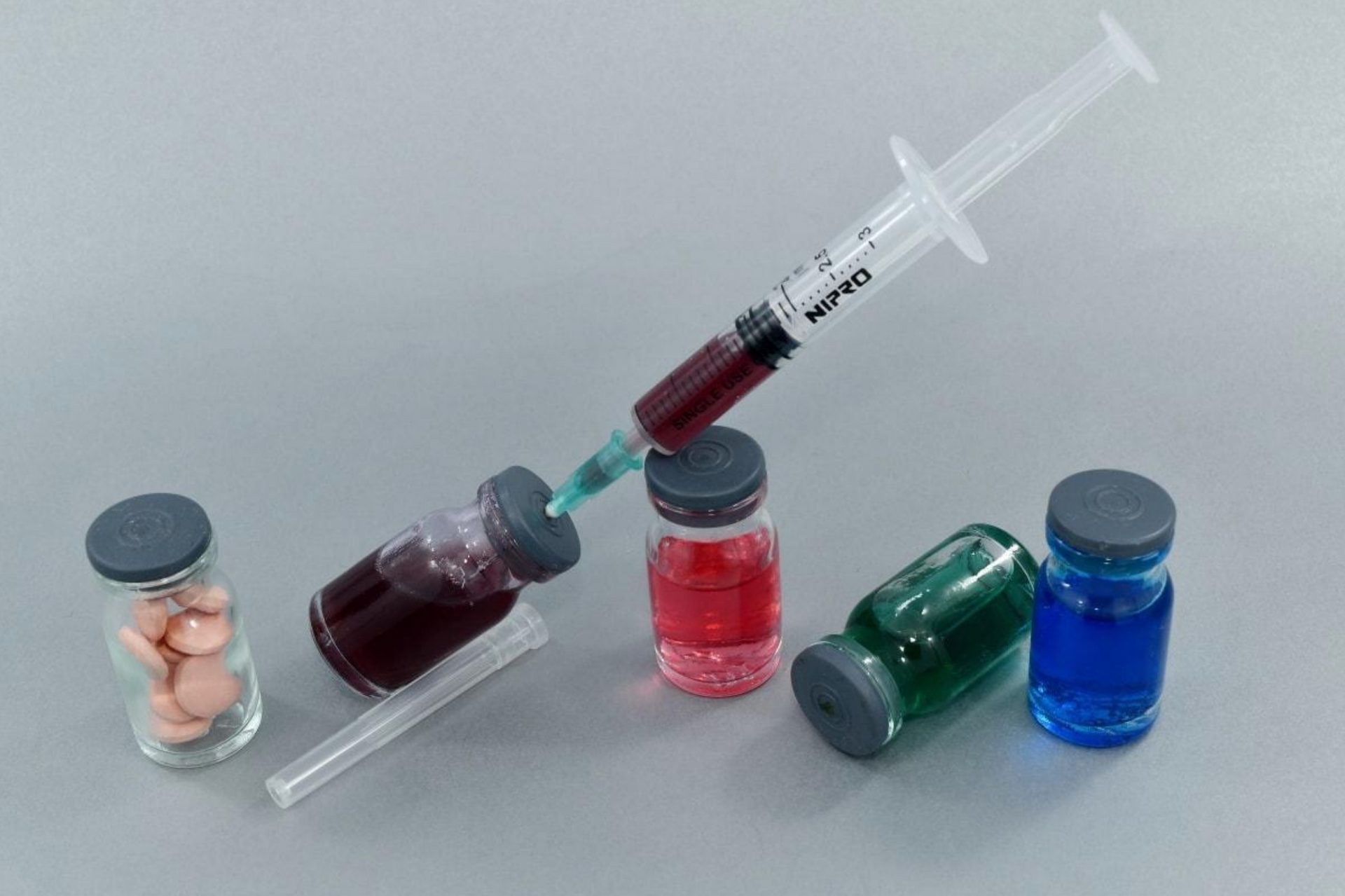
Peptides come up in my training sessions more often these days than almost any other topic. Clients hear about them on podcasts, see them on Instagram, and hear stories from gym friends who swear a few weeks of injections healed a nagging shoulder or knee. Names like BPC-157, TB-500, and the so-called "Wolverine stack" are
everywhere.
After 35-plus years in this field, I've learned to ask two questions about anything that promises faster results: Does it actually work, and is it safe? Here is what the current evidence says about both, as of October 2026.
What Are Recovery Peptides?
A peptide is simply a short chain of amino acids, the building blocks of protein. Your body makes thousands of them. The ones getting all the attention in gyms right now are synthetic versions like BPC-157, TB-500, CJC-1295, and ipamorelin. They are usually injected, often bought online labeled "for research use only," and marketed for faster healing of tendons, ligaments, and muscles.
Do They Work? The Evidence Is Mostly in Rats
BPC-157 is a synthetic peptide based on a protein found in stomach juice. Animal studies, mostly in rats, have shown impressive effects on healing tendons, ligaments, muscles, and the gut lining.
The problem is the jump from rats to people. A 2025 systematic review found the best human evidence was a single small study in which 7 of 12 people with chronic knee pain reported relief after one injection. There was no control group for comparison. The review's authors noted that no clinical safety data exist in humans.
TB-500, a lab-made fragment of a natural healing protein called thymosin beta-4, has even less evidence. No controlled human trial has tested it for tendon, ligament, or muscle injuries. The growth-hormone peptides (CJC-1295, ipamorelin) have no proven recovery benefit in healthy adults.
In plain terms: promising in the lab, unproven in people. Most soft-tissue injuries improve over weeks anyway, so anything taken during that time can look like it worked
Are They Safe? Nobody Knows Yet
"No side effects reported" is not the same as "proven safe." Here are the real concerns:
• Unknown long-term effects. BPC-157 works partly by encouraging new blood vessel growth. In theory, that could also feed tumor growth, and no one has studied it.
• What's actually in the vial? Products sold online as "research chemicals" are not regulated for human use. Purity, dose, and contamination are anyone's guess.
• Immune reactions. FDA scientists have flagged the possibility that these compounds trigger harmful immune responses, and that quality varies from batch to batch.
Where the law stands. Despite the headlines, the FDA has not approved these peptides. In July 2026, an FDA advisory committee narrowly voted (8 to 6 for BPC-157) to recommend allowing six peptides, including BPC-157 and TB-500, on the list of ingredients compounding pharmacies can use. The FDA's staff scientists unanimously opposed all of them, citing a lack of solid clinical trial data. The vote is non-binding, and the FDA must still complete formal rulemaking before pharmacies can legally make them.
For athletes, it's simple: they are banned. The World Anti-Doping Agency prohibits BPC-157 and TB-500, and the growth-hormone peptides are always in and out of competition. Violations carry four-year bans. If you compete in any drug-tested sport, high school through masters, stay away.
My Bottom Line as a Coach
I understand the appeal. When you're hurting, and progress is slow, a shortcut is tempting. But right now, injectable research peptides are an experiment, and you're the test subject. My advice:
1. Don't buy peptides online. If you're curious, bring it up with your primary care physician. Don't worry about feeling awkward asking; that's what they're there for.
2. Get the injury properly evaluated. A physician or physical therapist can pinpoint what's actually wrong.
3.
Invest in what's proven. Well-coached rehab and strength training, adequate protein, good sleep, and patience. Not glamorous but proven.
4.
Remember the mental side.
Quick fixes appeal most when we're frustrated. Realistic goals and small wins keep you consistent, and consistency produces results.
If the science changes, I'll share the news. Until then, the smartest move is to let the research catch up with the hype.
References
1.
Vasireddi N, et al. Emerging Use of BPC-157 in Orthopaedic Sports Medicine: A Systematic Review. HSS Journal, 2025;21(4):485–495.
2.
FDA advisers narrowly vote to add 6 peptides to a drug compounding list. What's next? ABC News, July 2026.
This article is for educational purposes and is not medical advice. Consult your physician before starting any new treatment.